October 26, 2026
Transforming the interior or exterior of a property with a fresh coat of color requires a level of precision and expertise that only seasoned contractors can provide. While property owners often desire a fresh look, attempting complex surface updates without years of formal training frequently results in costly mistakes and unsatisfactory finishes. Partnering with professional painters ensures that every surface receives rigorous structural preparation, precise application, and a durable finish built to last. Behind every pristine residential or commercial transformation lies a deep reserve of industry expertise, expensive specialized equipment, and refined trade techniques. Beyond standard tools, master craftsmen execute sophisticated methodologies that make hiring a dedicated contractor the only reliable path to flawless results. By understanding the complex procedures executed on a professional jobsite, property owners can see why delegating these demanding projects to skilled tradespeople is essential. Discover the top insider methods expert tradespeople utilize to achieve perfection on every surface.
1. Professional Preparation Methods Require Specialized Expertise
The single biggest difference between an unsatisfactory amateur effort and an exceptional finish lies in extensive preliminary surface preparation. Skipping delicate steps like precision sanding, scraping loose debris, and washing walls creates uneven surfaces that cause premature coating failure. Dedicated commercial crews spend a significant portion of their project timeline exclusively patching small imperfections, filling gaps, and smoothing out rough textures. Proper structural conditioning establishes a stable base that resists wear and environmental stress. When professional painters prepare a property, applied coatings adhere seamlessly and stay vibrant for years without peeling or flaking.
2. Commercial-Grade Equipment Yields Superior Finishes
Commercial-grade equipment yields drastically superior coverage, smoother applications, and longer-lasting protection compared to retail options available to the public. Low-grade brushes frequently shed bristles onto fresh surfaces, while consumer rollers leave unwanted lint and uneven stippling behind. High-end synthetic brushes used by contractors retain their shape under heavy use and distribute liquid evenly across textured boundaries. Specialized machinery allows trained technicians to manage heavy material viscosities effortlessly. Premium industrial coatings also contain higher concentrations of quality solids, providing superior hiding power and rich color depth with fewer layers.
3. Chemical Cleaning Protocols Ensure Coating Adhesion
Microscopic dust particles, grease, and household oils accumulate on surfaces over time, creating an invisible barrier that prevents new coatings from bonding properly. Applying material over unwashed surfaces often leads to bubbling, cracking, or early peeling that requires expensive corrective action. Industry experts always cleanse walls using specialized chemical mixtures to strip away unseen contaminants before starting work. Thorough decontamination eliminates structural weak points that jeopardize paint longevity. Ensuring immaculate surfaces guarantees that topcoats bond directly to drywall or wood for maximum long-term durability.
4. Advanced Undercoat Tinting Enhances Depth
Using a standard bright white undercoat beneath dark or vibrant wall colors often requires multiple extra finish coats, increasing project time and material waste. Mixing precise ratios of the final wall color directly into the base undercoat neutralizes light underlying surfaces instantly. Skilled tradespeople utilize this advanced tinting strategy to reduce unnecessary applications while achieving rich color saturation. Customizing base layers minimizes material expenditure while maximizing shade vibrancy. This professional technique creates a cohesive base that helps the final shade achieve its truest visual depth.
5. Synchronized Teamwork Eliminates Visible Lap Marks
Lap marks occur when an applicator passes over partially dried material, creating dark, unsightly stripes across a wall that ruin a room's appearance. Seasoned crews avoid this common issue by working in synchronized teams to maintain a continuous wet edge across the entire working surface. Rolling smoothly from top to bottom while slightly overlapping each previous stroke keeps the wet boundaries active. Coordinated application schedules ensure large wall spaces maintain uniform moisture levels. Working systematically with commercial speed yields a completely seamless visual field without harsh bands or overlapping shadows.
6. Industrial Filtration Systems Remove Impurities
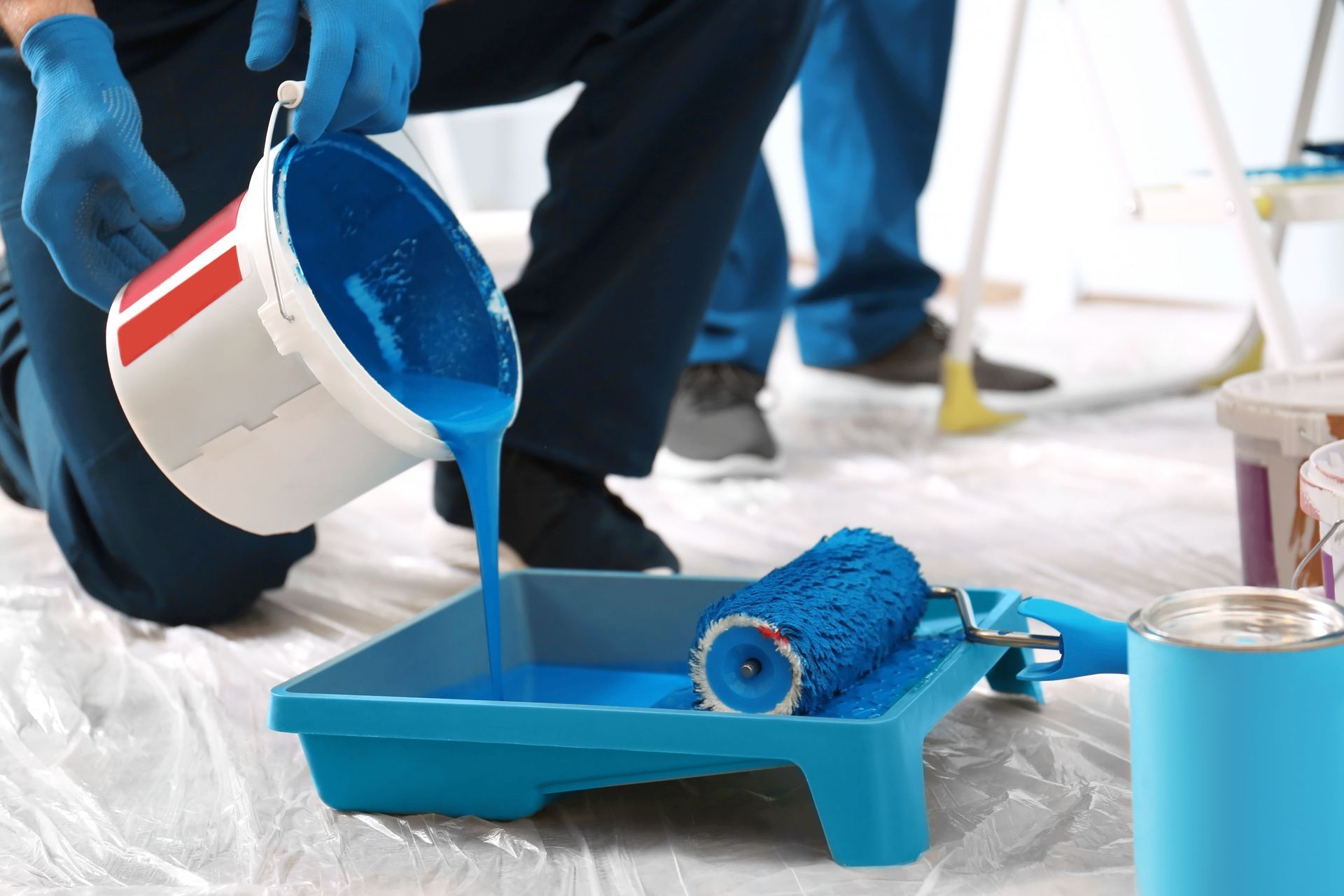
Even freshly purchased containers of material can contain small dried bits, skin flakes, or debris introduced during manufacturing or opening. Rolling these tiny impurities onto a smooth wall creates noticeable bumps that ruin an otherwise pristine surface. Smart contractors pour liquid through fine industrial mesh filters before starting any application to trap stray debris. According to Home Advisor, one gallon of paint covers about 350 square feet, so professional painters take the time to strain liquid to ensure every foot finishes glass-smooth. Removing particulate matter preserves the smooth sheen of fresh architectural coatings.
7. Large Batch Mixing Ensures Uniform Color
Slight factory variations exist between individual containers of the exact same color code, which can result in subtle, awkward shading shifts across large walls. To avoid noticeable color breaks mid-wall, established crews utilize a heavy-duty technique known as box mixing. Combining multiple individual cans into a single large vat creates a completely uniform mixture with perfect color distribution. Blending materials beforehand eliminates mid-project discrepancies across vast surface areas. This essential commercial step guarantees consistent hue, sheen, and texture throughout every single room of a property.
8. Master Technicians Execute Precise Freehand Cutting
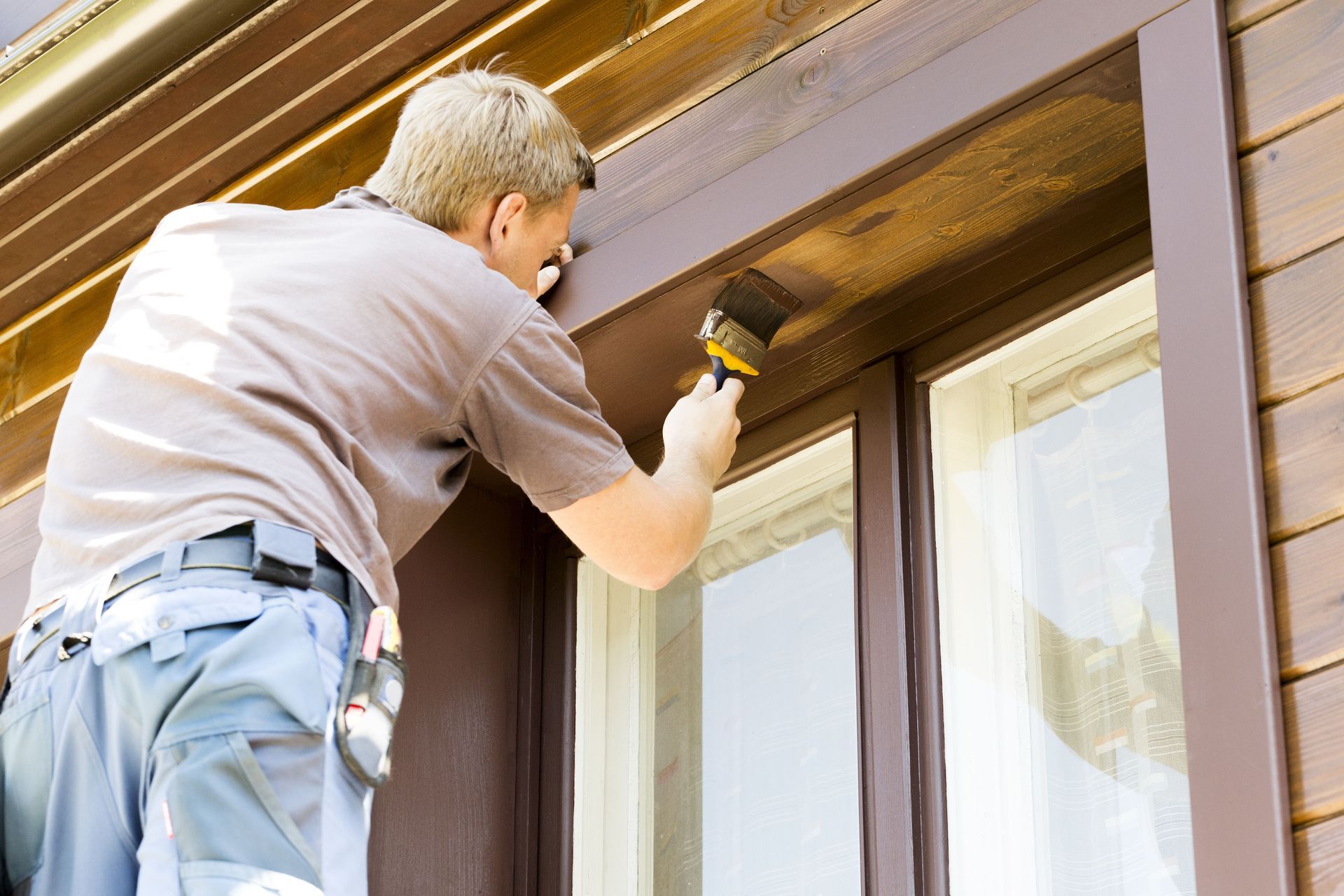
Relying heavily on consumer painter tape along ceilings, baseboards, and trim can lead to liquid bleeding underneath or torn finish when peeled away. Master technicians spend years perfecting freehand cutting techniques using specialized angled sash brushes to produce razor-sharp edges without tape. Holding the brush correctly and maintaining steady hand pressure creates straight boundaries along trim lines. Controlled hand movements prevent liquid from seeping into unwanted architectural crevices. Hiring expert craftsmen with this refined skill saves substantial setup time while producing cleaner, sharper lines where walls meet trim.
9. Intermediate Surface Smoothing Restores Perfection
Microscopic fibers in drywall or wood often rise after absorbing moisture from liquid application, resulting in a slightly rough initial texture. Professional contractors allow applied layers to dry completely before running fine-grit sandpaper over the surface to smooth out minor imperfections. Wiping away residual dust creates an ideal foundation for subsequent layers to bond smoothly. Eliminating subtle surface roughness enhances light reflectivity across entire rooms. This meticulous intermediate step transforms standard walls into silky, touchable surfaces that reflect light uniformly.
10. Rigorous Jobsite Management Preserves Materials
Executing large-scale property updates requires specialized tool preservation techniques to prevent equipment from drying out and contaminating fresh batches. Instead of washing brushes during short delays,
professional painters wrap application tools tightly in specialized airtight coverings. Keeping oxygen away from moist bristles keeps the equipment soft and pliable for multi-day application schedules. Proper equipment care prevents hardened residue from ruining delicate surface finishes. This disciplined jobsite management ensures tools are always ready for immediate, flawless application without risking stiffened fibers or clumpy finish.
Achieving flawless, long-lasting surface finishes requires extensive hands-on expertise, specialized equipment, and careful attention to detail that only seasoned contractors can deliver. Bypassing commercial services leads to wasted money, ruined materials, and sub-par visual results that require professional intervention to fix. Relying on seasoned experts eliminates stress while securing durable results that protect and beautify your property value over time. For homeowners seeking unmatched craftsmanship and dedicated service throughout Lawrenceville, GA, working with established local specialists makes all of the difference. At Layton Painting Co, we bring over 45 years of experience to every residential and commercial project we undertake. Contact us today to learn more about our comprehensive services and request your free estimate.