November 18, 2026
A fresh coat of paint can improve your home's appearance, protect exterior surfaces, and make interior spaces feel more inviting. However, achieving a durable, professional-looking finish requires more than choosing an attractive color and picking up a brush. From preparing surfaces to selecting quality materials, these ten house painting tips can help homeowners plan successful projects and avoid common mistakes.
1. Assessing Your Home's Painting Needs
Before starting a project, walk through your home and identify which areas need attention. Look for peeling paint, faded colors, cracks, water stains, and damaged surfaces. Exterior paint may show signs of weather exposure, while interior walls can develop scuffs, stains, and other imperfections over time. Identifying these issues early helps you determine where house painting can make the biggest difference.
Consider whether you need to refresh a single room, update several interior spaces, or improve your home's exterior. Creating a clear list of priorities will help you determine the project's scope, materials, and budget. It also gives you a better starting point when requesting a professional estimate for your house painting project.
2. Choosing the Right Paint Colors
Color selection has a significant effect on how a room or home's exterior looks. Consider the existing finishes, natural lighting, architectural features, and surrounding environment before settling on a shade. A color that looks appealing on a small paint sample may appear different when applied across an entire wall. Choosing complementary shades is an important part of planning a successful house painting project.
Test a few options on small sections of the surface and observe them throughout the day. Natural and artificial lighting can change how colors appear, so testing helps prevent unexpected results. For exterior projects, consider how the selected colors complement the roof, landscaping, and neighboring properties.
3. Selecting High-Quality Paint Products
The quality of the paint can influence its coverage, appearance, and durability. Different surfaces and environments require products with specific characteristics, so homeowners should choose materials designed for the intended application. Interior walls, exterior siding, trim, and cabinets may each require different paint formulations and finishes. Selecting suitable products is essential to achieving lasting results in house painting.
Layton Painting Co. uses Sherwin-Williams products and premium materials selected for project requirements. Working with experienced painters can help homeowners identify suitable products rather than choosing paint based solely on price. Investing in quality materials can contribute to a finish that lasts longer.
4. Preparing Surfaces Before Painting
Proper preparation is one of the most important steps in any house painting project. Dirt, dust, loose paint, and surface imperfections can interfere with adhesion and affect the finished appearance. Painting over these problems may lead to uneven coverage, peeling, or other issues.
Preparation may involve several tasks, depending on the surface condition:
- Cleaning walls, siding, and other areas to remove dirt and contaminants.
- Scraping loose or peeling paint.
- Sanding rough areas to create a smoother surface.
- Filling gaps and cracks with appropriate materials.
- Applying primer where necessary.
Taking time to prepare each surface helps create a consistent foundation for the new coating.
5. Protecting Furniture and Surrounding Areas
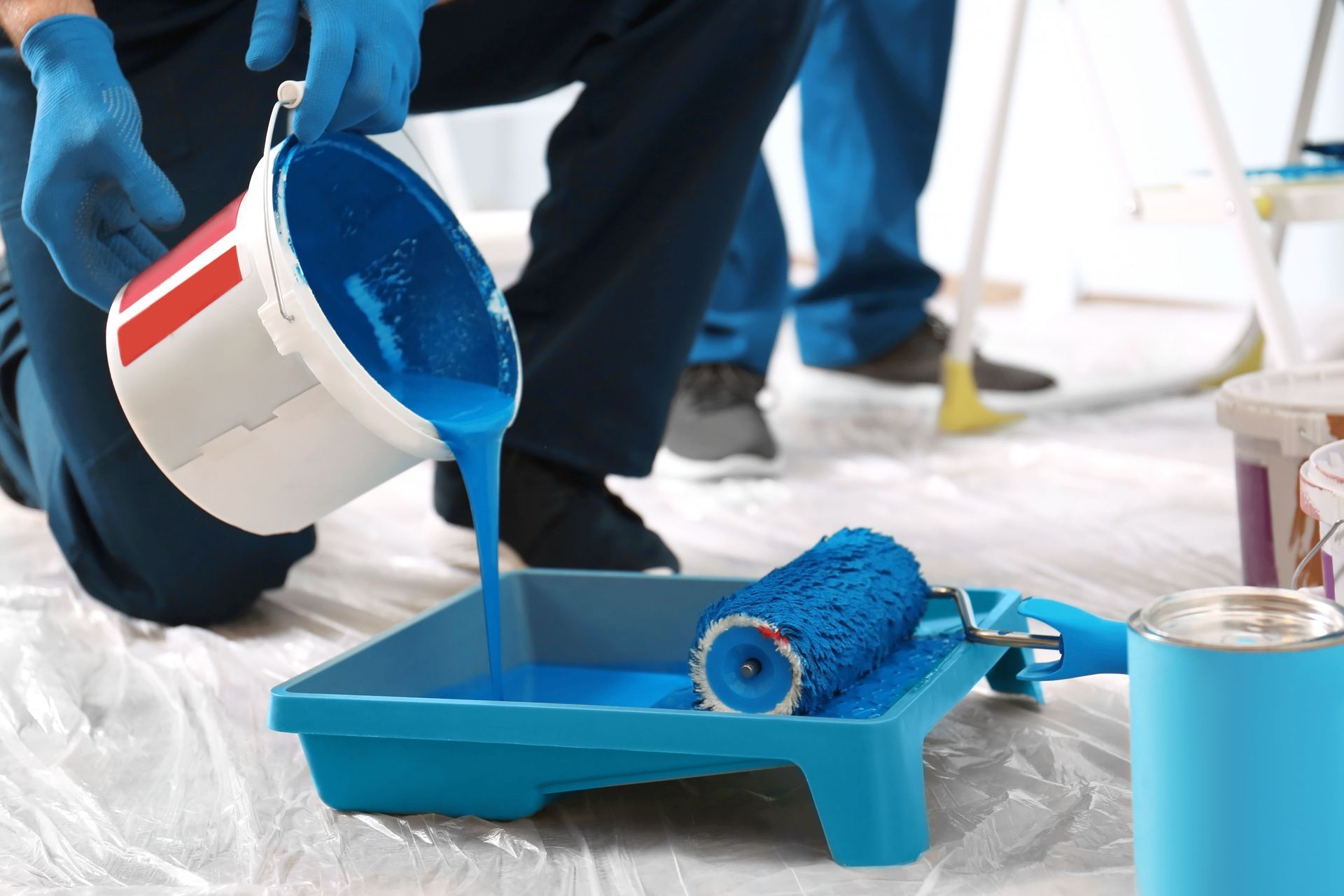
Paint splatters and spills can damage flooring, furniture, fixtures, and landscaping. Before work begins, remove smaller furnishings and decorations from the area whenever possible. Move larger furniture away from walls and cover anything that cannot be relocated.
Use drop cloths to protect floors and coverings to shield furniture. Painter's tape can help create clean edges around windows, doors, trim, and other areas that should not receive paint. For exterior projects, surrounding surfaces and landscaping should also receive appropriate protection. Careful masking and covering help keep the work area organized and reduce cleanup.
6. Choosing the Appropriate Paint Finish
Paint finishes affect both appearance and maintenance. Flat finishes have little shine and can help conceal minor wall imperfections, making them a common choice for certain interior spaces. Eggshell and satin finishes offer more sheen and are often easier to clean. Semi-gloss and gloss finishes provide a more reflective appearance and are frequently used on trim, doors, and cabinets.
Think about how each room is used before selecting a finish. High-traffic areas may benefit from surfaces that are easier to wipe down, while ceilings and walls that are less frequently touched may work well with flatter finishes. Matching the finish to the surface helps balance appearance and practicality.
7. Applying Primer Where Needed
Primer creates a consistent base that can improve paint adhesion and coverage. It is particularly useful when painting over stains, repaired areas, bare materials, or surfaces with significant color differences. Skipping primer when needed may result in uneven color or the need for additional coats of finish paint.
The right primer depends on the surface and the paint being applied. Follow product instructions for application and drying times before adding the topcoat. A professional can evaluate the existing surface and determine whether priming is necessary for the project.
8. Planning the Project Around Weather Conditions
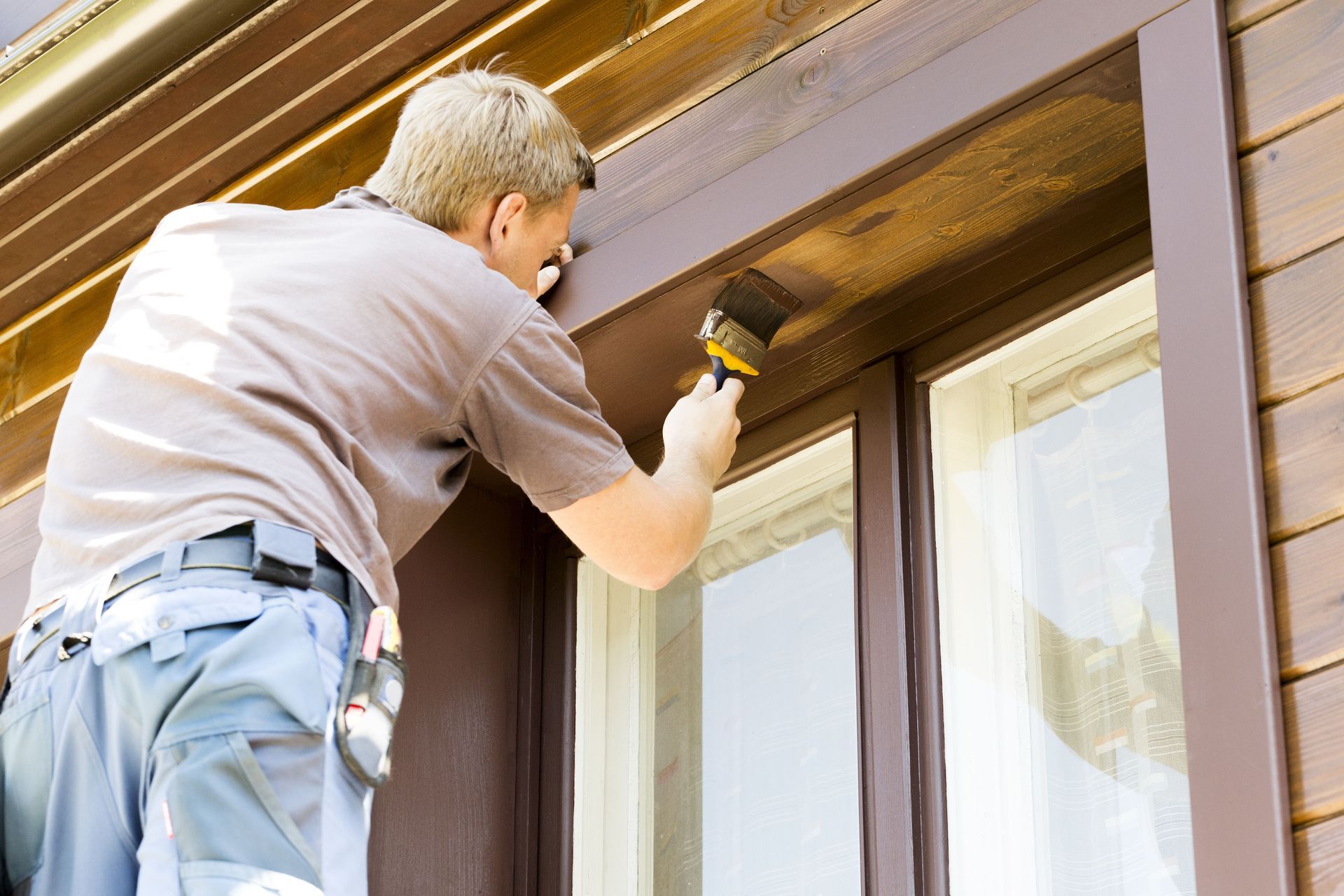
Weather plays an important role in exterior painting. Temperature, humidity, rain, and direct sunlight can affect how paint applies and dries. Painting during unsuitable conditions may lead to poor adhesion, uneven finishes, or longer drying times.
Check the product manufacturer's recommended temperature and weather guidelines before scheduling exterior work. Avoid applying paint when rain is expected or when surfaces are excessively hot or damp. Allowing sufficient time for preparation, application, and drying helps support a more durable result.
9. Following a Consistent Painting Process
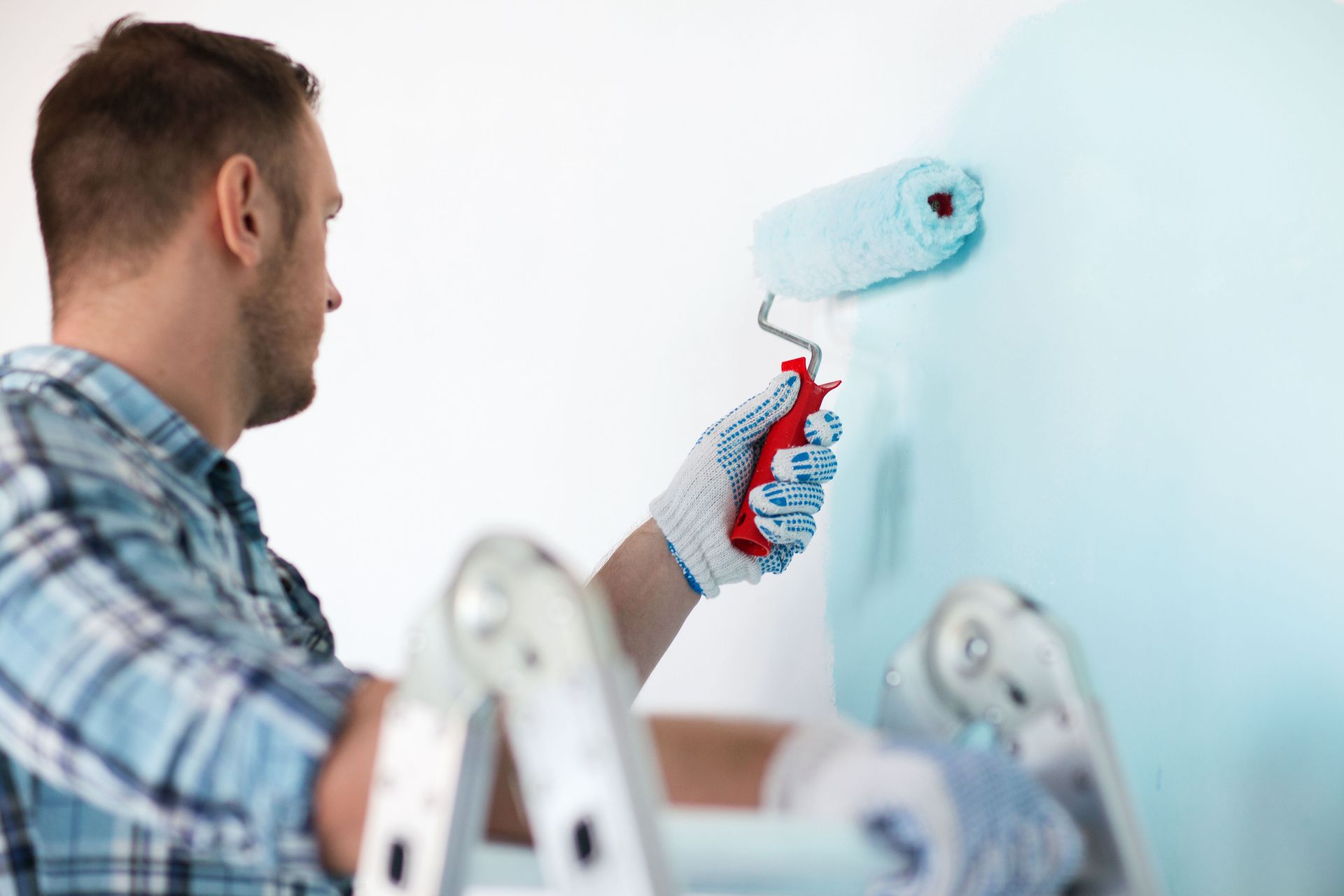
A consistent application technique helps create smooth, even coverage. Work in manageable sections, maintain a wet edge when applying paint, and avoid spreading the material too thinly. Use brushes for corners and detailed areas, while rollers or other appropriate equipment can cover larger surfaces efficiently.
According to HomeGuide, an average professional painter works eight hours per day and can cover approximately 150 to 350 square feet of paintable area per hour when repainting a room or house. Actual productivity depends on surface conditions, project complexity, and preparation requirements. This illustrates why experience and an organized process matter when planning a painting project.
Allow each coat to dry according to the manufacturer's instructions before applying the next coat. Rushing between coats can compromise the finish, while applying the recommended number of coats helps achieve consistent color and coverage.
10. Maintaining Painted Surfaces Regularly
Proper maintenance helps preserve the appearance of newly painted surfaces. Inspect exterior areas periodically for peeling, cracking, fading, or moisture- or weather-related damage. Inside the home, clean walls and trim using methods appropriate for their paint finishes. Avoid abrasive cleaners or rough scrubbing tools that could wear down the coating or leave visible marks. Routine inspections can also help homeowners identify areas that need touch-ups before minor flaws become more noticeable.
Addressing small problems early can prevent more extensive deterioration. Exterior maintenance may also include keeping surfaces clean through proper power washing and addressing damaged wood or siding as needed. With regular attention, homeowners can protect their investment and recognize when repainting is needed. Keeping track of when surfaces were last painted can also help with maintenance planning and budgeting for future updates.
Getting Lasting Results From Your Painting Project
Successful house painting involves thoughtful planning, quality materials, careful preparation, and consistent application. Homeowners who follow these tips can make more informed decisions about colors, finishes, scheduling, and maintenance. However, achieving a lasting result also requires attention to details that may be difficult to manage without professional experience.
For professional interior and exterior painting, thorough preparation, and a free on-site estimate, contact Layton Painting Co. to discuss your home's painting needs.